NEW: The 2023-2025 Digital Yearbook is Now LIVE!
EXPLORE NOW
Sharon Dorsey
Research
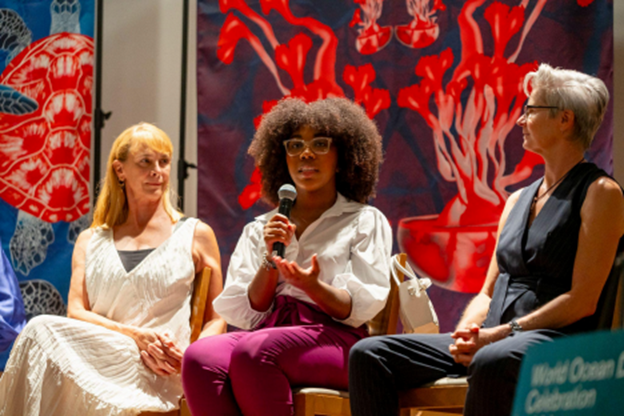
Welcome back to our Career Close-Ups series, where we dive into diverse and meaningful career paths in ecology, evolution, and marine science. We spotlight professionals who are shaping the future of environmental work—on land and in the sea—while centering equity, access, and real-world impact.
This edition takes us into the world of marine policy, small grants, and community-rooted conservation. It’s a side of marine science that’s less about lab coats and more about listening, partnership, and building bridges between grassroots action and institutional change.
Today we spotlight Cyan Simmons, a Senior Program Specialist with Ocean Conservancy, whose work centers around grantmaking for abandoned fishing gear removal and advancing restorative justice in ocean policy. Her journey highlights how community engagement and environmental education can evolve into careers that blend science, equity, and advocacy.
“I started in ocean education and local outreach, where I saw firsthand how deeply connected communities are to the environment—and how often they’re left out of key conversations. That experience pushed me to pursue work that ensures grassroots voices are heard and valued in marine conservation.”
Now based in Miami, Florida, Cyan leads a small grants program supporting community-driven projects on marine issues—particularly in historically marginalized communities. From coordinating full grant cycles to nurturing relationships with grantees, her role is as much about systems-level change as it is about human connection.
When asked what makes this work meaningful, Cyan’s answer is simple:
“It’s the relationships. Seeing how local groups create innovative, culturally relevant solutions to marine challenges—whether it's cleanup campaigns, youth ocean education, or community science—is inspiring. It reminds me that environmental change often starts with community care.”
Some of her most impactful contributions include:
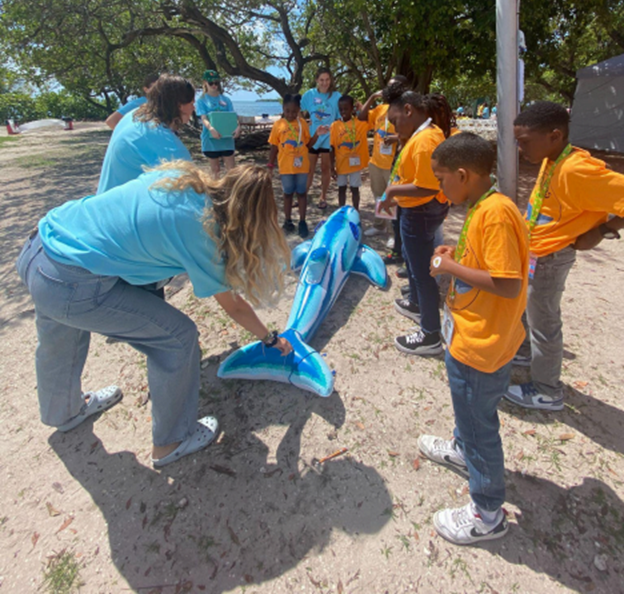
One standout project? Organizing a one-day ocean science immersion program for 100 underrepresented students. From interactive exhibits to mentorship from diverse marine professionals, the event created a space where students could see themselves in the world of ocean science.
“Their excitement was unforgettable. A follow-up survey showed a real boost in their interest and confidence around marine science. It was a powerful reminder that early exposure and representation matter.”
Cyan’s role blends program coordination, grant management, and science communication. Core skills include:
And these skills aren’t just learned in classrooms.
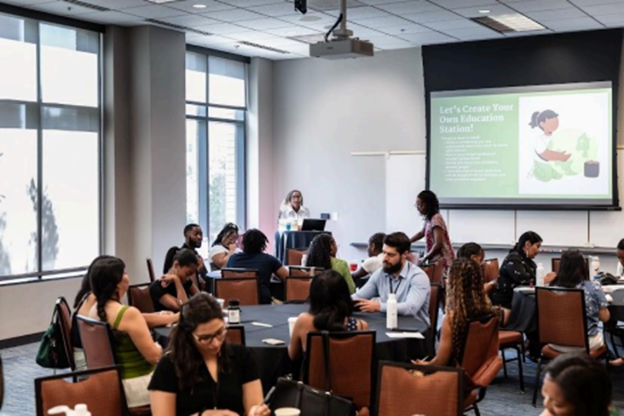
“I learned by doing—leading outreach events, supporting local projects, and working closely with community leaders. That taught me how to listen, build trust, and align environmental work with social impact.”
For students and early-career professionals from underrepresented backgrounds, Cyan offers this encouragement:
“Go for it—even if you don’t see many people who look like you in the room. Your voice matters, and this field needs your perspective. Find mentors, ask questions, stay curious, and know you belong here.”
Q: What makes this work especially meaningful?
A: It’s the relationships. Seeing how local groups create innovative, culturally relevant solutions to marine challenges—whether it's cleanup campaigns, youth ocean education, or community science—is inspiring. It reminds me that environmental change often starts with community care.
Q: Can you share one standout project from your career so far?
A: Organizing a one-day ocean science immersion program for 100 underrepresented students. From interactive exhibits to mentorship from diverse marine professionals, the event created a space where students could see themselves in the world of ocean science. Their excitement was unforgettable. A follow-up survey showed a real boost in their interest and confidence around marine science. It was a powerful reminder that early exposure and representation matter.
Q: What skills are most important in your role?
A: A blend of program coordination, grant management, and science communication. That includes translating technical ideas for broad audiences, navigating funding logistics, and centering equity in environmental initiatives.
Q: How did you build those skills?
A: I learned by doing—leading outreach events, supporting local projects, and working closely with community leaders. That taught me how to listen, build trust, and align environmental work with social impact.
Q: What advice do you have for students from underrepresented backgrounds considering this career path?
A: Go for it—even if you don’t see many people who look like you in the room. Your voice matters, and this field needs your perspective. Find mentors, ask questions, stay curious, and know you belong here.
Cyan Simmons’ journey is a powerful example of how marine science careers can extend beyond labs and fieldwork—into spaces where policy, equity, and community converge.
Stay tuned as we continue to feature more inspiring journeys in the Career Close-Ups series.